Discover clear, beginner-friendly answers to the most common Python questions. This Python Introduction FAQ covers basics, setup, usage, and essential concepts to help new learners get started with confidence.

Discover clear, beginner-friendly answers to the most common Python questions. This Python Introduction FAQ covers basics, setup, usage, and essential concepts to help new learners get started with confidence.

Learn what Python IDLE is, how to create, edit, and run Python programs step-by-step. This beginner-friendly guide also explains how to run Python code using Command Prompt (CMD) and Notepad, with practical examples and tips.

Discover the key differences between strong and weak typing in Python. Learn how Python’s strong typing system affects variable behavior, error handling, and code reliability in this beginner-friendly explanation.
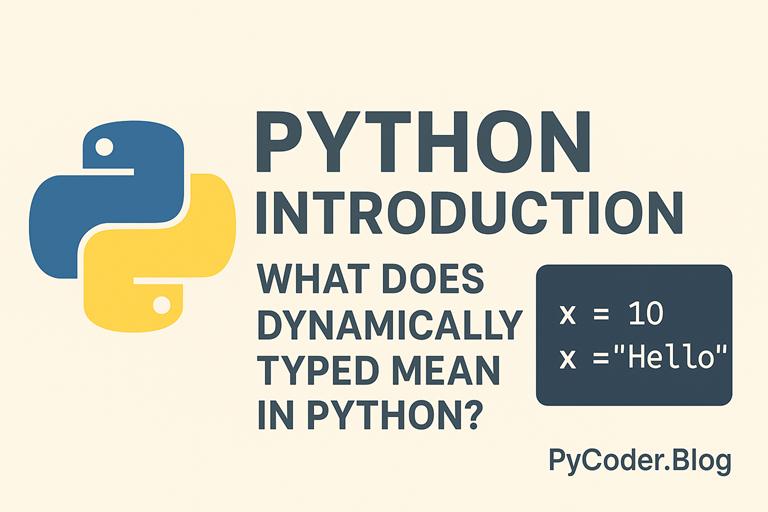
Discover what “dynamically typed” means in Python and how it affects variable assignment and data types. Learn why Python’s dynamic typing makes coding flexible and beginner-friendly with clear examples.
Step-by-step guide to installing Python and PyCharm, configuring interpreters, and writing your first Python program with beginner examples and practice exercises.
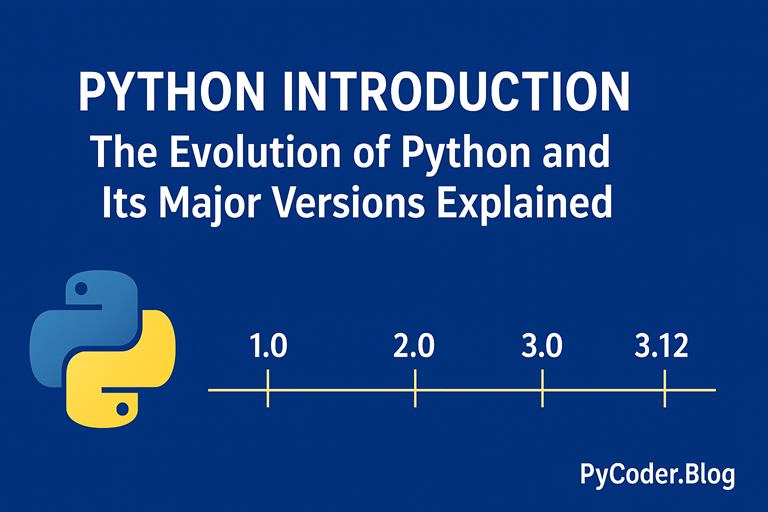
Explore the complete history of Python — from its creation by Guido van Rossum to modern versions like Python 3.12. Learn about key milestones, version updates, added and removed features, and how Python evolved over time.
Learn what Python is, its key features, and why it’s one of the most popular programming languages today.
